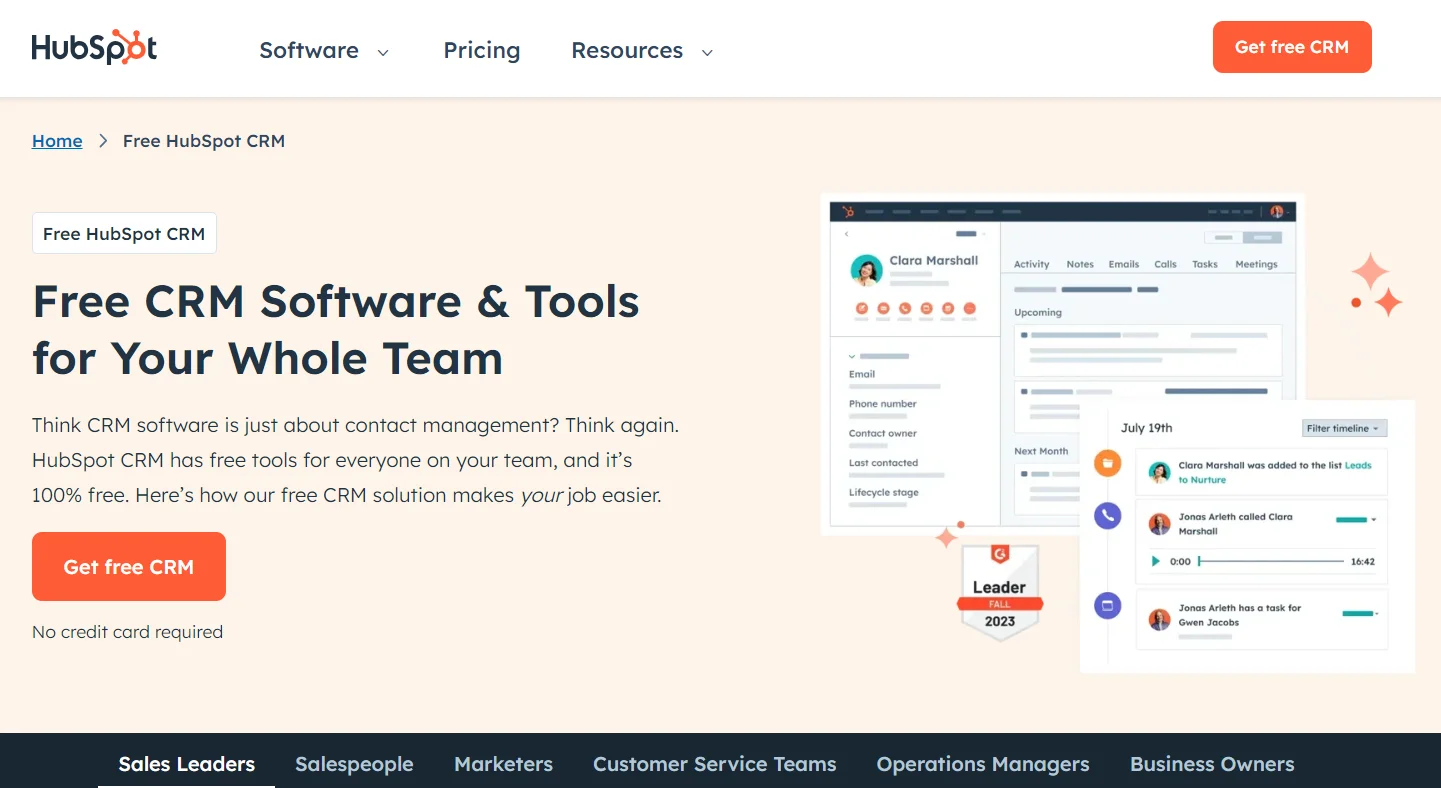



HubSpot has become one of the most widely adopted CRM platforms for a reason – it packs an impressive amount of functionality into a free plan that most competitors charge for. But that breadth comes with trade-offs worth knowing before you commit.
What Users Love
The most consistently praised aspect of HubSpot is how much you get without spending a cent. Contact management, deal pipelines, email tracking, live chat, and basic marketing automation are all available on the free tier – a rare combination in the CRM market.
Beyond the price, users highlight the platform’s strength in three core areas:
Customer and lead management. HubSpot’s contact database is clean and intuitive. You can log interactions, track deal stages, and segment your audience without digging through menus. Sales teams in particular appreciate how quickly they can build and manage pipelines.
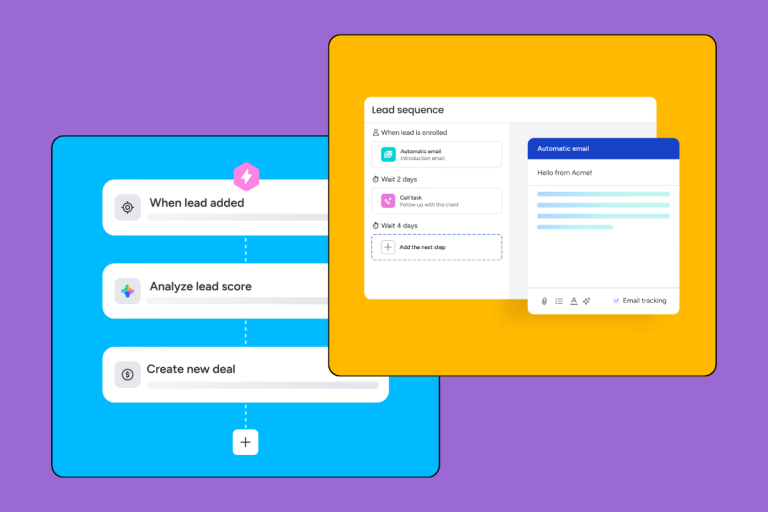
Marketing automation. From automated email sequences to lead nurturing workflows, HubSpot handles multi-step campaigns well. The visual workflow builder is one of the more accessible on the market – you don’t need a developer to set up meaningful automations.
Multi-channel engagement. HubSpot covers both social media scheduling and email marketing under one roof, which reduces the need for separate tools and keeps your data centralized.
Where It Falls Short
The platform’s biggest weakness is its learning curve. HubSpot is feature-rich – and that density can feel overwhelming, especially for teams onboarding quickly. New users often report spending more time navigating the platform than actually working in it during the first few weeks.
There’s also a generational dimension worth flagging: employees who’ve grown up with modern, minimal interfaces (think Notion, Linear, or Slack) sometimes find HubSpot’s UI cluttered and visually dated in places. The free plan, while generous, also gates some of the most useful features behind paid tiers – and those tiers can escalate in cost quickly as your team grows.
Verdict
HubSpot is an excellent starting point for small to mid-sized businesses that want a capable CRM without an immediate budget commitment. It rewards patience – teams willing to invest time in setup and training will find a genuinely powerful platform. If your team is small, fast-moving, or resistant to onboarding complexity, budget time for proper training before rolling it out.